
Breathing problems and sexual problems often live in different conversations. A man may describe wheezing, fatigue or rescue-inhaler use to his respiratory team, then keep erection changes, low libido or worry about testosterone to himself. That split can make care less precise.
A 2026 Research Square preprint indexed by Europe PMC brings those conversations closer together. It reports high rates of erectile dysfunction and testosterone-deficiency signals in a small group of men with stable moderate-to-severe COPD. The useful lesson is not that COPD automatically causes ED, or that testosterone is the simple answer. The useful lesson is that sexual health deserves a routine, adult place in chronic respiratory care.
For JABKASAI readers, this matters because pelvic bodywork can be tempting to over-credit when erections change. Breathlessness, blood vessels, medications, sleep, mood, inflammation, hormones and relationship strain may all be part of the same story. A serious article has to keep that whole map visible.
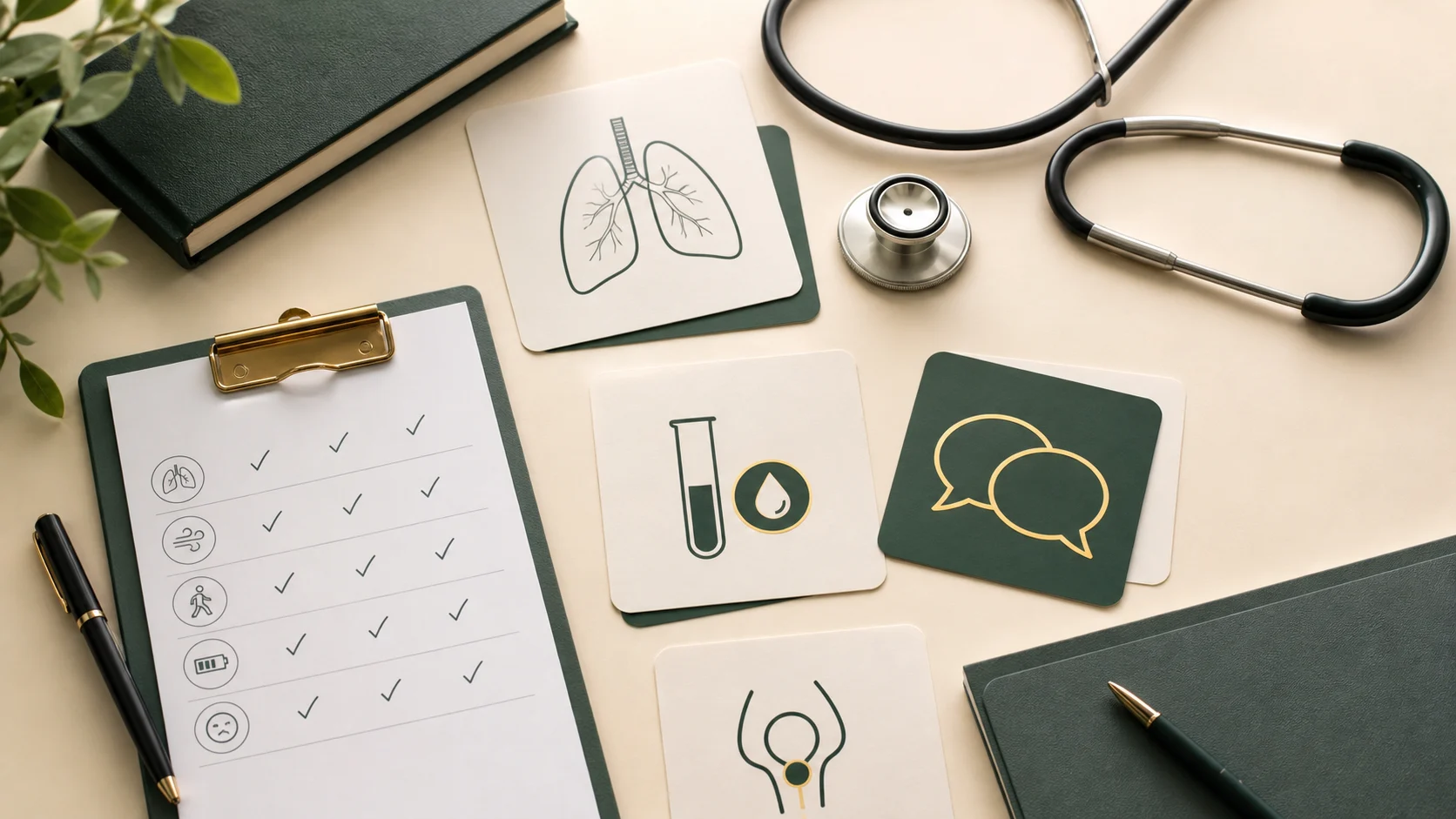
Why this COPD signal matters for men
The selected watch item is a 2026 preprint titled "Sexual health in men with COPD: testosterone deficiency, erectile dysfunction and prediction using routine clinical indices." Europe PMC lists it as a Research Square preprint, not a final peer-reviewed guideline. That distinction matters. A preprint can surface an important clinical question before it becomes settled practice.
The abstract describes a cross-sectional, multicentre study of 44 men aged 40 to 75 with stable moderate-to-severe COPD. ED was measured with the IIEF-5 questionnaire, while testosterone deficiency syndrome was assessed with serum testosterone and the Aging Males' Symptom Scale. In that sample, ED was reported in 81.8% of participants, severe ED in 54.5%, biochemical testosterone deficiency syndrome in 70.5%, and severe symptoms in 54.5%.
Those numbers are striking, but they should not be read as a diagnosis for every man with breathlessness. The Erektile Dysfunktion: Medizinische Karte is still the right frame: ED is a symptom with vascular, hormonal, neurological, medication, mental Gesundheit and lifestyle possibilities.
What COPD adds to the ED conversation
COPD is not just "being out of breath." NHLBI describes common symptoms that include shortness of breath, ongoing cough or mucus, wheezing, chest tightness and fatigue, with symptoms that can worsen over time. That daily symptom load can change activity, sleep, confidence, partner routines and willingness to initiate sex.
The preprint's most useful finding is not only that ED and testosterone-deficiency signals appeared often. It is that severe ED correlated more strongly with COPD Assessment Test score, comorbidity burden, psychological distress and systemic inflammation than with lung function or testosterone levels in that small sample. In plain language: how the disease feels and what travels with it may matter as much as a single breathing number.
That interpretation fits real clinical life. A man with COPD may also have cardiovascular disease, diabetes risk, smoking history, sleep disruption, depression, anxiety, medication effects or reduced physical conditioning. Any of those can affect erections. Treating ED as a separate bedroom failure misses the larger medical context.
Testosteron is relevant, but not automatic
Low libido, fewer morning erections, fatigue and lower mood can overlap with testosterone deficiency, but the Endocrine Society guideline is careful: hypogonadism should be diagnosed only when symptoms and signs are consistent with testosterone deficiency and serum testosterone is unequivocally and consistently low. The guideline also recommends confirming the result with a repeat morning fasting total testosterone measurement.
That discipline is especially important for men with chronic illness. Testosterone values can be influenced by acute illness, sleep, medications, weight, lab method and timing. One result should not become a lifetime label. A responsible clinician may consider repeat total testosterone, free testosterone when indicated, luteinizing hormone, follicle-stimulating hormone, prolactin, thyroid status, glucose markers or other tests based on the man's full picture.
JABKASAI's Niedriger Testosteronspiegel: Symptome und Tests guide is a useful companion here because it separates Symptome that deserve evaluation from the marketing language around "boosting" hormones.
ED can be a cardiovascular and medication clue
NIDDK explains that ED may be linked to conditions affecting blood vessels, nerves or hormones, and may also involve medicines, mental or emotional issues and lifestyle behaviors. This is why ED in a man with COPD should not be treated as an isolated performance problem. It can be a clue to vascular health, metabolic strain, medication side effects or mental load.
A useful appointment starts with a timeline. When did erection firmness change? Did libido change too? Are morning erections different? Did symptoms appear after a COPD exacerbation, a medication change, a new oxygen requirement, worse sleep, more anxiety, chest symptoms, alcohol change or reduced exercise? The answer may point the clinician toward urology, respiratory review, cardiology risk assessment, endocrinology or mental health support.
Men should also avoid hidden self-treatment. Online ED medicines, testosterone products and sexual supplements can create real risk, especially when heart disease, low oxygen, blood pressure medicines or nitrate use may be part of the background. The safest next step is not a secret purchase. It is a direct conversation with a clinician who knows the respiratory and cardiovascular context.
Questions to bring to COPD care
The preprint argues for routine sexual health assessment in COPD care. That does not mean every respiratory visit becomes a long sexual medicine consultation. It means clinicians and patients make enough room for the subject to be named. A simple question such as "Have breathlessness, fatigue or medicines affected intimacy or erections?" can open the door without embarrassment.
Men can prepare their own short list. Ask whether ED could reflect cardiovascular risk. Ask whether current inhalers, other prescriptions, sleep, depression, anxiety or deconditioning might contribute. Ask whether testosterone testing is appropriate, and if so, when and how it should be repeated. Ask whether pulmonary rehabilitation, smoking cessation support, weight management, diabetes screening or cardiovascular review should be part of the plan.
The goal is not to turn COPD care into blame. The goal is to prevent silence. Sexual symptoms are health information. They can affect quality of life, relationships, mental health and adherence to care.
- Bring a medication list, including over-the-counter products and supplements.
- Track breathlessness, fatigue, sleep, mood, libido and Erektion changes for two to four weeks.
- Mention chest Schmerz, severe breathlessness, fainting, new neurological Symptome or a prolonged schmerzhaft Erektion urgently.
Where breathing, posture and Becken tension meet
A man with COPD may brace through the abdomen, ribs, hip flexors and pelvic floor when breathing feels effortful. Stress can add another layer of guarding. That does not mean pelvic tension is the root cause of ED, but it may influence comfort, body awareness and the way a man experiences intimacy.
This is where Atmung, Körperhaltung und der männliche Beckenboden can help as an educational bridge. Breathing mechanics and pelvic floor behavior can be discussed without promising that breathwork or massage will fix ED, testosterone levels or lung disease.
For wellness professionals, the boundary is simple. If a client has COPD, new ED, low libido, chest symptoms, severe fatigue or medication changes, bodywork should be supportive only. It can help create a calm, consent-based setting for relaxation and body awareness. It cannot diagnose hypogonadism, improve lung function claims, replace pulmonary rehabilitation or decide whether ED medication is safe.
Red flags and referral boundaries
Some symptoms should move the conversation out of the wellness room and into clinical care quickly. New or worsening shortness of breath, chest pain, fainting, blue lips, coughing blood, severe wheezing, sudden weakness, confusion, severe depression, suicidal thoughts, testicular pain, penile pain, or an erection lasting more than four hours after ED medication needs urgent medical attention.
Less urgent but still important issues include persistent ED, loss of morning erections, low libido, fatigue, low mood, sleep disruption, worsening exercise tolerance, new urinary symptoms, medication side effects or concern about testosterone. These are appropriate reasons to book a medical review rather than waiting for the next crisis.
NIDDK notes that ED diagnosis may include medical, sexual and mental health history, physical exam and selected tests. That is the level of assessment a bodywork session cannot provide. A responsible practitioner should welcome referral rather than compete with it.
How to read this evidence calmly
The selected source is current and useful, but modest. It is a preprint. It includes 44 men. It is cross-sectional, meaning it can show associations but cannot prove that COPD symptom burden caused ED or that testosterone treatment would solve the problem. It also cannot tell every man what will happen in his own body.
Its value is practical: it challenges a silent routine. Men with COPD should be asked about sexual health, and men should feel allowed to bring it up. ED and low libido should sit beside breathlessness, sleep, mood, comorbidities, medication review and cardiovascular risk as part of whole-person care.
That is the calm JABKASAI position. Take the signal seriously, keep the evidence honest, and let clinical assessment lead. Bodywork can support comfort and trust only when it stays inside that boundary.
Seek urgent medical help for ED or sexual symptoms with chest pain, severe or worsening breathlessness, fainting, neurological symptoms, coughing blood, blue lips, severe depression or an erection lasting more than four hours after ED medication. Book clinical review for persistent ED, low libido, fatigue, medication concerns or suspected low testosterone.
Conclusion
The COPD preprint does not give men a new self-diagnosis. It gives them a better question: has anyone asked how breathing, fatigue, comorbidities, mood, testosterone signals and erections are interacting?
For men, the next step is practical. Track symptoms, speak plainly, verify testosterone properly if testing is indicated, avoid hidden self-treatment and keep bodywork supportive rather than medical. That is how a small research signal becomes safer care.
Frequently asked questions
Does COPD directly cause erectile dysfunction?
Not in a simple one-cause way. COPD may contribute through breathlessness, reduced activity, cardiovascular risk, smoking history, inflammation, sleep disruption, medication effects, anxiety or depression. ED still needs an individual medical review because blood vessel, nerve, hormone, medicine and mental health factors can overlap.
Should every man with COPD get testosterone testing?
Not automatically. Testing is most useful when symptoms such as low libido, fewer morning erections, fatigue or other signs make testosterone deficiency plausible. Guidelines emphasize compatible symptoms plus consistently low testosterone, confirmed with repeat morning fasting measurement, rather than diagnosis from one casual test.
Can pulmonary rehabilitation improve sexuell Gesundheit?
Pulmonary rehabilitation is not an ED treatment, but it may improve breathlessness, activity confidence and quality of life for selected people with COPD. If sexual activity is limited by breathlessness, fatigue or fear, it is reasonable to ask the respiratory team whether rehabilitation, pacing or safer activity guidance could help.
Can Jab Kasai or Becken bodywork treat COPD-related ED?
No. Jab Kasai and related bodywork may support relaxation, body awareness and consent-based comfort for selected adults, but they do not treat COPD, ED, low testosterone, cardiovascular disease or medication side effects. New or persistent ED in COPD belongs first in medical care.
Verwandte JABKASAI-Führer
Themen
Quellen überprüft
- Europe PMC record for PPR1238690 — Europe PMC
- COPD Symptome — National Heart, Lung, and Blood Institute
- What is COPD? — National Heart, Lung, and Blood Institute
- Symptome and causes of erectile dysfunction — National Institute of Diabetes and Digestive and Kidney Diseases
- Diagnosis of erectile dysfunction — National Institute of Diabetes and Digestive and Kidney Diseases
- Testosteron therapy for hypogonadism guideline — Endocrine Society