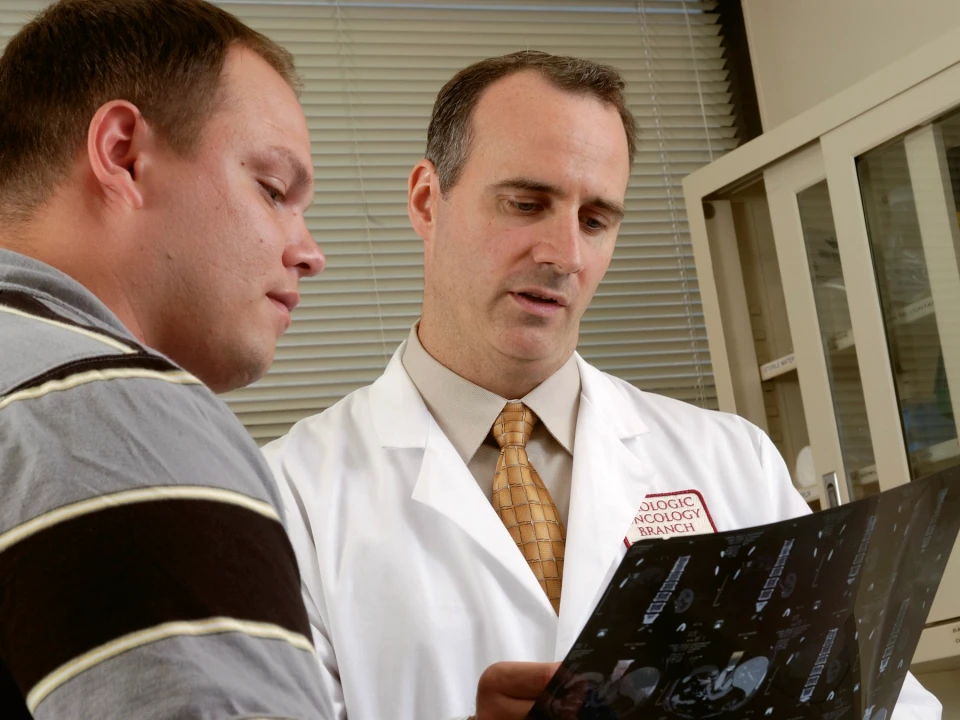
ทางการแพทย์ schema
How to read this guide safely
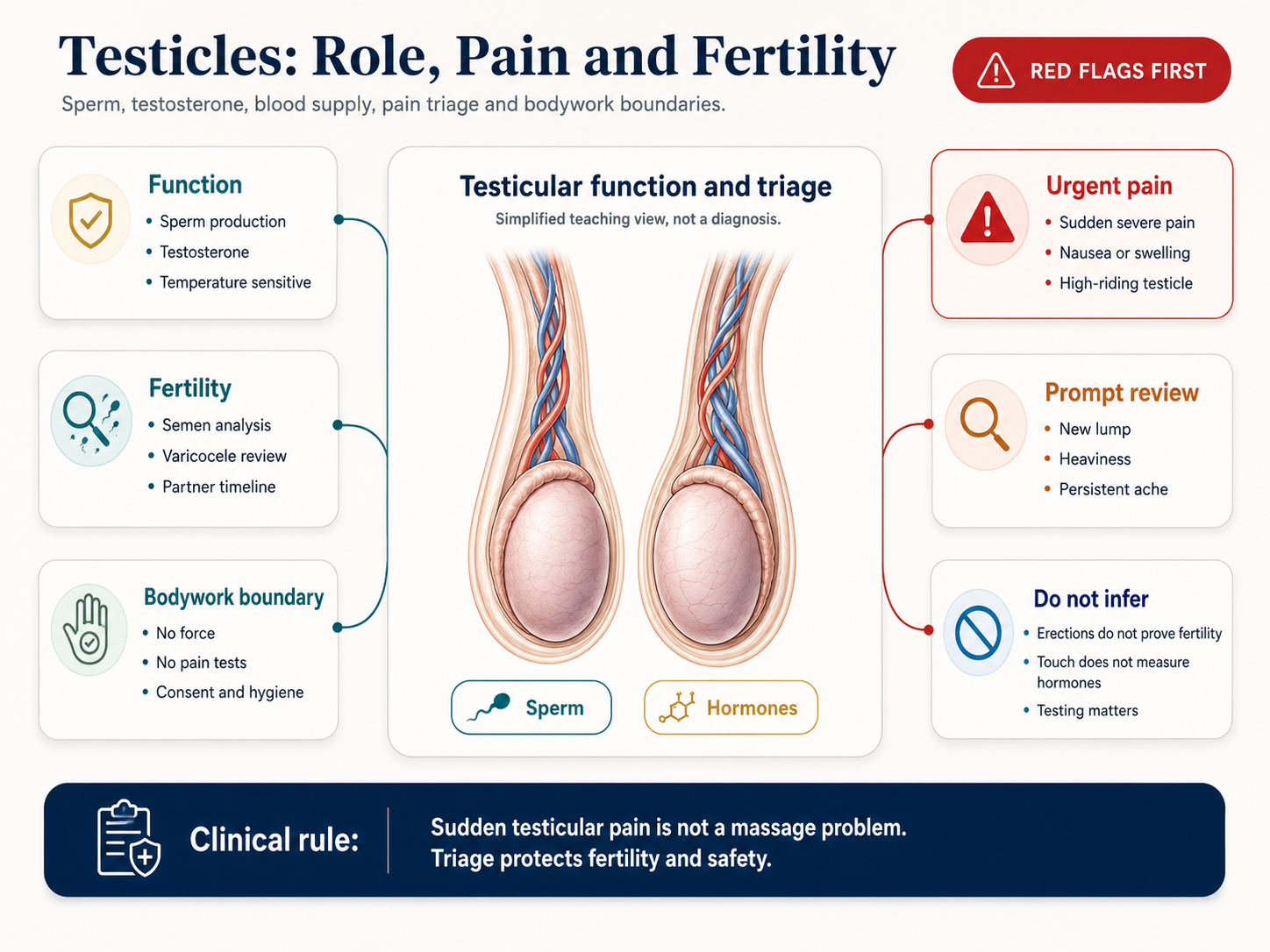
This visual map connects Is เกี่ยวกับอัณฑะ การนวด Safe? to anatomy, symptom triage, professional care and the limits of bodywork claims.
- 01
Observe the pattern
Clarify whether the goal is comfort, cultural practice, ทางเพศ สุขภาวะ or a ทางการแพทย์ claim.
- 02
Check สัญญาณอันตราย
Sudden severe เกี่ยวกับอัณฑะ อาการปวด, swelling, nausea, trauma or a new lump is not a massage topic.
- 03
Choose the care path
Urgent care, urology, ultrasound or ภาวะเจริญพันธุ์ assessment may be needed depending on the pattern.
- 04
Keep clear boundaries
ความยินยอม, hygiene, pressure limits, contraindications and referral rules must be explicit.
หน้านี้ครอบคลุมอะไร
หลักการด้านความปลอดภัย ข้อห้าม และธงสีแดงสำหรับการทำงานด้วยตนเองบริเวณลูกอัณฑะ
ประเด็นสำคัญ
- ลูกอัณฑะเป็นอวัยวะที่บอบบาง ความกดดันไม่ควรรุนแรง เจ็บปวด หรือบีบบังคับ
- หลีกเลี่ยงการนวดเมื่อมีอาการปวดกะทันหัน บวม มีอาการติดเชื้อ ได้รับบาดเจ็บเมื่อเร็วๆ นี้ มีก้อนเนื้อใหม่ หรือหนักมากโดยไม่ทราบสาเหตุ
- ความยินยอม การคลุมตัว สุขอนามัย และสิทธิ์ในการหยุดเป็นข้อกำหนดขั้นพื้นฐานของมืออาชีพ
อาการปวดอัณฑะอย่างรุนแรงอย่างฉับพลันอาจต้องคำนึงถึงเวลา เข้ารับการรักษาพยาบาลอย่างเร่งด่วนแทนที่จะพยายามนวด
ความปลอดภัยเริ่มต้นก่อนสัมผัส
ลูกอัณฑะมีความสำคัญต่อหลอดเลือดและมีความสำคัญทางการแพทย์ การทำงานด้วยตนเองใดๆ ที่เกี่ยวข้องกับสิ่งเหล่านี้จะต้องมีความอ่อนโยน ได้รับความยินยอมอย่างชัดเจน วางกรอบอย่างมืออาชีพ และหยุดทันทีหากเกิดความเจ็บปวดหรือความทุกข์ทรมาน
เพจที่ปลอดภัยควรแสดงข้อห้ามให้มองเห็นได้ ไม่ใช่ฝังอยู่ในตัวพิมพ์ละเอียด อาการปวด บวม ก้อน สัญญาณการติดเชื้อ หรือการบาดเจ็บที่เกิดขึ้นอย่างกะทันหัน ไม่ใช่สถานการณ์ที่ควรพิจารณาผ่านการนวด
- ความกดดันไม่ควรออกแรงหรือใช้พิสูจน์ความอดทน
- ก้อนใหม่ อาการปวดหรือบวมกะทันหันต้องได้รับการประเมินจากแพทย์
- ความยินยอมควรรวมถึงขอบเขต การคลุม สุขอนามัย และสิทธิ์ในการหยุด
คำตอบสั้นๆ: ขึ้นอยู่กับบริบท
การนวดอัณฑะไม่สามารถเรียกได้ว่าปลอดภัยในระดับสากลหรือไม่ปลอดภัยในระดับสากลหากไม่มีบริบท ลูกอัณฑะเป็นอวัยวะที่บอบบางซึ่งมีเลือดไปเลี้ยง เส้นประสาท ระบบสืบพันธุ์ และสภาวะทางการแพทย์ที่อาจมองไม่เห็นจากภายนอก การสัมผัสภายนอกที่อ่อนโยนและยินยอมตามบริบทของการออกกำลังกายของผู้ใหญ่นั้นแตกต่างจากการกดดันอย่างรุนแรง ความเจ็บปวด การบีบบังคับ สุขอนามัยที่ไม่ดี หรือการทำงานเมื่อมีอาการบ่งบอกถึงโรค
คำตอบที่ปลอดภัยที่สุดคือแบบมีเงื่อนไข อาจพูดคุยกันในลักษณะการปฏิบัติแบบดั้งเดิมหรือความเป็นอยู่ที่ดีเฉพาะเมื่อลูกค้าเป็นผู้ใหญ่ มีการอธิบายขอบเขต แรงกดดันเป็นไปอย่างอ่อนโยน สิทธิ์ในการหยุดทันที สุขอนามัยมีความชัดเจน และเคารพข้อห้าม ไม่เหมาะสมเมื่อมีอาการปวดฉับพลัน บวม มีก้อนใหม่ บาดแผล มีไข้ สัญญาณการติดเชื้อ อาการกดเจ็บรุนแรง หนักมากโดยไม่ทราบสาเหตุ หรือเพิ่งได้รับการผ่าตัด เว้นแต่แพทย์จะคลี่คลายสถานการณ์ได้
เพจที่รับผิดชอบควรทำให้เงื่อนไขการปฏิเสธมองเห็นได้ชัดเจนที่สุดเท่าที่จะเป็นไปได้ หากผู้ประกอบวิชาชีพพูดถึงเพียงการปลดปล่อย ความมีชีวิตชีวา ภาวะเจริญพันธุ์ หรือสมรรถภาพ การอภิปรายเรื่องความปลอดภัยจะไม่สมบูรณ์ ความปลอดภัยไม่ใช่อารมณ์ มันเป็นชุดของการตัดสินใจก่อน ระหว่าง และหลังเซสชั่น
- ไม่มีแรงกดดัน การทดสอบความเจ็บปวด หรือความท้าทายด้านความอดทน
- ไม่มีเซสชั่นเมื่อธงสีแดงบ่งบอกถึงการประเมินเร่งด่วนหรือทางการแพทย์
- ไม่มีขอบเขตที่เบลอระหว่างสุขศึกษาและการบริการอีโรติก
ธงแดงที่ควรหยุดเซสชัน
อาการบางอย่างควรยุติแนวคิดเรื่องการนวดและเปลี่ยนเส้นทางผู้อ่านให้ไปพบแพทย์ อาการปวดอัณฑะอย่างรุนแรงอย่างกะทันหันเป็นตัวอย่างที่ชัดเจนที่สุด เนื่องจากการบิดของลูกอัณฑะเป็นภาวะฉุกเฉินที่ต้องคำนึงถึงเวลา อาการบวม คลื่นไส้ มีไข้ ลูกอัณฑะพุ่งสูง บาดแผล มีก้อนใหม่ บริเวณแข็ง อาการหนักมากหรือปวดไม่หาย ก็ต้องอาศัยความระมัดระวังเช่นกัน เซสชั่นการดูแลสุขภาพไม่ใช่วิธีที่ปลอดภัยในการขจัดปัญหาเหล่านั้น
ส่วนที่ยากคือเงื่อนไขที่ร้ายแรงบางอย่างไม่ประกาศตัวเองอย่างสุภาพ ก้อนเนื้อที่ไม่เจ็บปวดก็มีความสำคัญ อาการปวดหมองคล้ำสามารถเชื่อมโยงกับสาเหตุหลายประการ การติดเชื้ออาจทำให้แย่ลงได้ การบิดตัวสามารถคุกคามลูกอัณฑะได้หากการดูแลล่าช้า ไซต์จึงควรสอนเกณฑ์ขั้นต่ำสำหรับการประเมินทางการแพทย์ แทนที่จะสนับสนุนให้ผู้อ่านทดลองใช้เทคนิคด้วยตนเอง
ผู้ประกอบวิชาชีพควรมีนโยบายการหยุดง่ายๆ: หากลูกค้ารายงานสัญญาณอันตราย เซสชั่นจะถูกเลื่อนออกไป และแนะนำให้ลูกค้าขอรับการดูแลที่มีคุณสมบัติเหมาะสม ควรระบุนโยบายดังกล่าวก่อนทำการจองหากเป็นไปได้ ลูกค้าไม่ควรต้องโต้เถียงเพื่อความระมัดระวังในขณะที่ไม่ได้แต่งตัวหรืออ่อนแอ
- อาการปวดอย่างรุนแรงกะทันหันเป็นเรื่องเร่งด่วน โดยเฉพาะอย่างยิ่งเมื่อมีอาการคลื่นไส้หรือบวม
- ก้อนใหม่หรืออาการหนักที่ไม่สามารถอธิบายได้สมควรได้รับการตรวจทางคลินิก
- การมีไข้ ของเหลวไหลออกมา ปัสสาวะแสบร้อน หรือสัญญาณการติดเชื้อเป็นข้อห้าม
ขอบเขตวิชาชีพและความยินยอม
ความปลอดภัยยังขึ้นอยู่กับจิตใจและจริยธรรมด้วย งานอัณฑะเกี่ยวข้องกับกายวิภาคศาสตร์ ดังนั้นความยินยอมจึงต้องมีความเฉพาะเจาะจงมากกว่าบอกเป็นนัย ผู้ประกอบวิชาชีพควรอธิบายว่าอะไรที่อาจเกิดขึ้น อะไรที่จะไม่เกิดขึ้น วิธีการทำงานของการแต่งตัว คำหรือสัญญาณใดที่หยุดเซสชัน และวิธีจัดการกับคำถาม ความยินยอมควรสามารถย้อนกลับได้ตลอดเวลาโดยไม่มีการลงโทษ ความลำบากใจ หรือความกดดัน
การตั้งค่าควรเป็นมืออาชีพด้วย ผ้าปูที่นอนที่สะอาด สุขอนามัยของมือ ภาษาธรรมดา นโยบายสำหรับผู้ใหญ่เท่านั้น การรักษาความลับ และเอกสารประกอบที่สงบช่วยแยกการออกกำลังกายออกจากการแสวงหาผลประโยชน์ ผู้ประกอบวิชาชีพที่พูดตลก แสดงอาการทางเพศ เปลี่ยนขอบเขตระหว่างเซสชัน ปฏิเสธการแต่งตัว กีดกันคำถาม หรือสัญญาว่าจะรักษาได้กำลังสร้างความเสี่ยง แม้ว่าแรงกดดันจะเบาก็ตาม
การสนทนาเพื่อขอความยินยอมที่ดีไม่ใช่เรื่องดราม่า มันง่าย ใช้งานได้จริง และทำซ้ำได้ ลูกค้าทราบแผน เข้าใจขีดจำกัด และสามารถควบคุมได้ ความชัดเจนทั่วไปนั้นเป็นรากฐานของการสนทนาที่ปลอดภัยเกี่ยวกับการนวดอัณฑะ
การเรียกร้องที่ควรได้รับการปฏิบัติอย่างระมัดระวัง
ความปลอดภัยยังรวมถึงความปลอดภัยในการเรียกร้องด้วย การเจริญพันธุ์ ฮอร์โมนเทสโทสเตอโรน สมรรถภาพทางเพศ หลอดเลือดขอด ต่อมลูกหมากอักเสบ และอาการปวดกระดูกเชิงกรานเรื้อรัง ไม่ใช่ผลลัพธ์ที่สามารถรับประกันด้วยความรับผิดชอบด้วยการนวดอัณฑะ ลูกค้าบางรายอาจรู้สึกผ่อนคลายหรือเชื่อมโยงกับร่างกายมากขึ้นหลังเซสชัน แต่นั่นไม่ได้พิสูจน์ถึงการเปลี่ยนแปลงที่วัดได้ในด้านพารามิเตอร์ของน้ำอสุจิ ฮอร์โมน หลอดเลือด เส้นประสาท หรือการอักเสบ
เมื่อการกล่าวอ้างกลายเป็นเรื่องทางการแพทย์ มาตรฐานก็จะเปลี่ยนไป ความกังวลเรื่องการเจริญพันธุ์จะได้รับการประเมินด้วยการวิเคราะห์น้ำอสุจิ ประวัติ การตรวจ และบางครั้งการทดสอบฮอร์โมน อาการปวดหรือบวมที่ลูกอัณฑะอาจต้องได้รับการตรวจร่างกายและการถ่ายภาพ การเปลี่ยนแปลงการแข็งตัวของอวัยวะเพศอาจสะท้อนถึงปัจจัยด้านระบบหัวใจและหลอดเลือด ระบบประสาท ฮอร์โมน การใช้ยา หรือจิตวิทยา การนวดไม่สามารถวินิจฉัยเส้นทางเหล่านั้นได้
หน้าการศึกษาที่ปลอดภัยจึงใช้ภาษาที่สุภาพ สามารถพูดคุยเกี่ยวกับการผ่อนคลาย การรับรู้ทางร่างกาย และประเพณีทางวัฒนธรรม ไม่ควรบอกเป็นนัยว่าการหลีกเลี่ยงการรักษาพยาบาลเป็นเรื่องที่กล้าหาญ เป็นธรรมชาติ หรือจริงใจมากกว่า ผู้ปฏิบัติงานที่จริงจังที่สุดรู้ว่าเมื่อใดไม่ควรทำงาน
อ้างอิงและอ่านเพิ่มเติม
แหล่งข้อมูลด้านล่างสนับสนุนกรอบการทำงานด้านความปลอดภัย: อาการเร่งด่วนของถุงอัณฑะจำเป็นต้องได้รับการดูแลอย่างรวดเร็ว ความกังวลเรื่องภาวะเจริญพันธุ์จำเป็นต้องมีการประเมินตามหลักฐานเชิงประจักษ์ และควรหารือถึงแนวทางปฏิบัติแบบดั้งเดิมภายในขอบเขตด้านความปลอดภัยของผู้ป่วย
- องค์การอนามัยโลก - ยุทธศาสตร์การแพทย์แผนโบราณ พ.ศ. 2557-2566
- แนวทาง AUA/ASRM - การวินิจฉัยและการรักษาภาวะมีบุตรยากในผู้ชาย
- แนวทาง NICE NG257 - ปัญหาการเจริญพันธุ์: การประเมินและการรักษา
- NHS ของ Guy และ St Thomas - ภาพรวมการผ่าตัดบิดลูกอัณฑะ
รายการตรวจสอบผู้อ่านก่อนดำเนินการ
ก่อนที่จะดำเนินการในหน้าใด ๆ เกี่ยวกับความปลอดภัยในการนวดอัณฑะ ผู้อ่านควรชะลอการตัดสินใจลง คำถามที่ปลอดภัยที่สุดไม่ใช่ "สิ่งนี้ฟังดูน่าสนใจหรือไม่" แต่ "ฉันเข้าใจหรือไม่ว่ามีอะไรเสนอ อะไรบ้างที่ไม่รวม และปัญหาใดที่ฉันพยายามแก้ไขจริงๆ" นี่เป็นสิ่งสำคัญอย่างยิ่งสำหรับผู้ที่ตัดสินใจว่าการกล่าวอ้างกายบำบัดที่ละเอียดอ่อนนั้นปลอดภัยเพียงพอที่จะพิจารณาหรือไม่ การตัดสินใจที่ชัดเจนเริ่มต้นด้วยการแยกความอยากรู้อยากเห็น ความรู้สึกไม่สบาย อาการ ความสนใจทางวัฒนธรรม และความห่วงใยทางการแพทย์ออกจากกัน
คำถามที่สองคือข้อกังวลนี้เกี่ยวข้องกับกายบำบัดหรือไม่ หากปัญหามีอาการปวดกะทันหัน บวม เป็นไข้ บาดเจ็บ มีก้อนใหม่ หนักมากอย่างต่อเนื่อง หรือกดเจ็บโดยไม่ทราบสาเหตุ หน้านี้ควรแนะนำผู้อ่านให้เข้ารับการรักษาพยาบาลที่มีคุณสมบัติเหมาะสม แทนที่จะไปพบแพทย์ตามนัดด้านสุขภาพ นั่นไม่ใช่จุดยืนที่ต่อต้านประเพณี เป็นขอบเขตที่ป้องกันไม่ให้มีการใช้การออกกำลังกายแบบดั้งเดิมหรือแบบใกล้ชิดเพื่อทดแทนการวินิจฉัย การดูแลอย่างเร่งด่วน หรือการรักษาตามหลักฐานเชิงประจักษ์
คำถามที่สามคือผู้ประกอบวิชาชีพสามารถอธิบายขีดจำกัดและผลประโยชน์ได้หรือไม่ ผู้ประกอบวิชาชีพที่จริงจังสามารถบอกได้ว่าพวกเขาจะปฏิเสธเซสชันเมื่อใด จะอ้างอิงเมื่อใด พื้นที่ของร่างกายใดอยู่นอกขอบเขต วิธีรักษาความยินยอม และวิธีจัดการสุขอนามัย ผู้ปฏิบัติงานที่สามารถอธิบายได้เฉพาะการเปลี่ยนแปลง การปลดปล่อย หรือความมีชีวิตชีวา กำลังละทิ้งข้อมูลด้านความปลอดภัยที่สำคัญที่สุดไว้ในการสนทนา
- ขอบเขตเซสชั่นสามารถอธิบายเป็นภาษากายวิภาคธรรมดาได้หรือไม่?
- ธงสีแดงและข้อห้ามสามารถมองเห็นได้ก่อนทำการจองหรือไม่?
- การกล่าวอ้างเกี่ยวกับการผ่อนคลายและการรับรู้ทางร่างกาย หรือเกี่ยวกับการรักษาอาการทางการแพทย์หรือไม่
- ผู้อ่านรู้หรือไม่ว่าต้องทำอย่างไรหากเกิดความเจ็บปวด ความทุกข์ทรมาน หรือความสับสนในขอบเขต?
JABKASAI วางกรอบหัวข้อนี้อย่างไร
JABKASAI ใช้กฎเกณฑ์บรรณาธิการสำหรับหัวข้อที่ละเอียดอ่อน: ยิ่งมีการกล่าวอ้างทางการแพทย์มากเท่าไร ก็ยิ่งต้องการหลักฐานมากขึ้นเท่านั้น ความหมายทางวัฒนธรรม ประเพณี ภาษาพิธีกรรม การพักผ่อน และประสบการณ์ส่วนตัวสามารถพูดคุยด้วยความเคารพได้ การกล่าวอ้างเกี่ยวกับการเจริญพันธุ์ ฮอร์โมนเพศชาย การติดเชื้อ การบิดตัว มะเร็ง ภาวะหย่อนสมรรถภาพทางเพศ อาการปวดกระดูกเชิงกรานเรื้อรัง โรคต่อมลูกหมาก หรือการเปลี่ยนแปลงของฮอร์โมน จำเป็นต้องมีมาตรฐานที่แตกต่างกัน พวกเขาต้องการการประเมินที่มีคุณสมบัติเหมาะสม ผลลัพธ์ที่สามารถวัดได้ และความเต็มใจที่จะพูดว่า "เราไม่รู้" เมื่อหลักฐานมีจำกัด
กรอบนี้ยังได้รับการออกแบบมาเพื่อป้องกันความอับอายอีกด้วย ผู้ชายหลายคนล่าช้าในการถามคำถามเพราะกายวิภาคศาสตร์ให้ความรู้สึกเป็นส่วนตัวหรือน่าอาย หน้าการศึกษาที่ดีควรทำให้ตั้งชื่อหัวเรื่องได้ง่ายขึ้นโดยไม่เปลี่ยนความเปราะบางให้กลายเป็นเนื้อหาที่สะเทือนอารมณ์ นั่นหมายถึงคำพูดธรรมดา น้ำเสียงที่ไม่เร้าอารมณ์ การวางกรอบสำหรับผู้ใหญ่เท่านั้น รูปภาพที่ระมัดระวัง ข้อควรระวังทางการแพทย์ และไม่มีความกดดันในการจองเซสชั่นเพื่อเป็นคำตอบสำหรับทุกข้อกังวล
มาตรฐานสุดท้ายคือความมีประโยชน์ในทางปฏิบัติ หลังจากอ่านแล้ว บุคคลควรจะสามารถถามคำถามได้ดีขึ้น จดจำสัญญาณเตือน เปรียบเทียบภาษาของผู้ปฏิบัติงานได้อย่างปลอดภัยยิ่งขึ้น และทำความเข้าใจว่าแพทย์ ผู้เชี่ยวชาญด้านระบบทางเดินปัสสาวะ ผู้เชี่ยวชาญด้านภาวะเจริญพันธุ์ นักกายภาพบำบัดอุ้งเชิงกราน หรือผู้เชี่ยวชาญด้านสุขภาพจิตอาจเป็นก้าวต่อไปที่ดีกว่าเมื่อใด หากหน้าดังกล่าวแสดงข้อมูลดังกล่าว ผู้อ่านจะได้ประโยชน์แม้ว่าพวกเขาจะไม่เคยจองตัวถังก็ตาม
- ประเพณีถูกนำเสนอเป็นประเพณี ไม่ใช่เป็นการพิสูจน์โดยอัตโนมัติ
- ภาษาความเป็นอยู่ที่ดีได้รับอนุญาต แต่ภาษาในการรักษาถูกท้าทาย
- มีการพูดคุยเรื่องกายวิภาคศาสตร์ที่ละเอียดอ่อนอย่างมืออาชีพ และไม่มีการตลาดที่กระตุ้นอารมณ์ทางเพศ
- ผู้อ่านสามารถเลือกการรักษาพยาบาล ความคิดเห็นที่สอง หรือไม่เข้าร่วมก็ได้
บริบทเชิงปฏิบัติ
สังเกตจังหวะ ความรุนแรง สิ่งกระตุ้น และสิ่งที่เปลี่ยนแปลงสถานการณ์ ความเจ็บปวด การเปลี่ยนแปลงของปัสสาวะ การใช้ยา ความเครียด การบาดเจ็บ การออกกำลังกายล่าสุด และสุขภาพโดยทั่วไป ล้วนส่งผลต่อการทำความเข้าใจอาการหรือข้อกังวลได้
คำถามที่ควรถามต่อ
- สัญญาณใดที่จะทำให้สิ่งนี้เป็นเรื่องเร่งด่วนมากกว่ากิจวัตรประจำวัน?
- ข้อมูลใดบ้างที่ควรบันทึกไว้ก่อนที่จะพูดคุยกับแพทย์หรือผู้ประกอบวิชาชีพที่มีคุณสมบัติ?
- ข้อกล่าวอ้างใดได้รับการสนับสนุนจากหลักฐาน และข้อใดควรถือเป็นภาษาทางวัฒนธรรมหรือความเป็นอยู่ที่ดีเท่านั้น
วิธีใช้ข้อมูลนี้
ใช้คู่มือนี้เพื่ออธิบายภาษา เตรียมคำถามที่ดีขึ้น และทำความเข้าใจขอบเขต ไม่ใช่การวินิจฉัยและไม่ใช่แผนการรักษา เมื่ออาการเกิดขึ้นใหม่ รุนแรง ต่อเนื่อง หรือน่ากังวล ขั้นตอนต่อไปคือแพทย์ผู้เชี่ยวชาญ
จุดยืนด้านบรรณาธิการ
JABKASAI แยกประเพณีความเป็นอยู่ที่ดีทางวัฒนธรรมออกจากหลักฐานทางการแพทย์ ในกรณีที่หลักฐานมีจำกัด หน้าดังกล่าวจะระบุอย่างชัดเจนและหลีกเลี่ยงคำสัญญาว่าจะรักษา