
ทางการแพทย์ schema
How to read this guide safely
This visual map connects จับกษัย and ภาวะเจริญพันธุ์: Scientific ข้อควรระวัง to anatomy, symptom triage, professional care and the limits of bodywork claims.
- 01
Observe the pattern
Track side, onset, swelling, lump, heaviness, fever, injury, ภาวะเจริญพันธุ์ context and อาการปวด severity.
- 02
Check สัญญาณอันตราย
Fever, chills, burning urination, retention, vomiting or feeling seriously unwell moves first.
- 03
Choose the care path
Urine testing, culture, antibiotics, imaging or urgent care may be needed depending on severity.
- 04
Keep clear boundaries
Sensitive bodywork requires explicit consent, hygiene and a stop rule after ทางการแพทย์ สัญญาณอันตราย are excluded.
หน้านี้ครอบคลุมอะไร
วิธีหารือเกี่ยวกับคำกล่าวอ้างเรื่องการเจริญพันธุ์โดยไม่ต้องพูดเกินจริงถึงสิ่งที่การออกกำลังกายแบบเดิมๆ สามารถพิสูจน์ได้
ประเด็นสำคัญ
- ภาวะเจริญพันธุ์ในชายขึ้นอยู่กับการผลิตสเปิร์ม ฮอร์โมน เส้นเลือดขอด การติดเชื้อ การสัมผัสกับความร้อน พันธุกรรม และสุขภาพโดยทั่วไป
- การอ้างว่าจับกษัย ช่วยเพิ่มอัตราการเจริญพันธุ์ไม่ได้เป็นที่ยอมรับทางการแพทย์
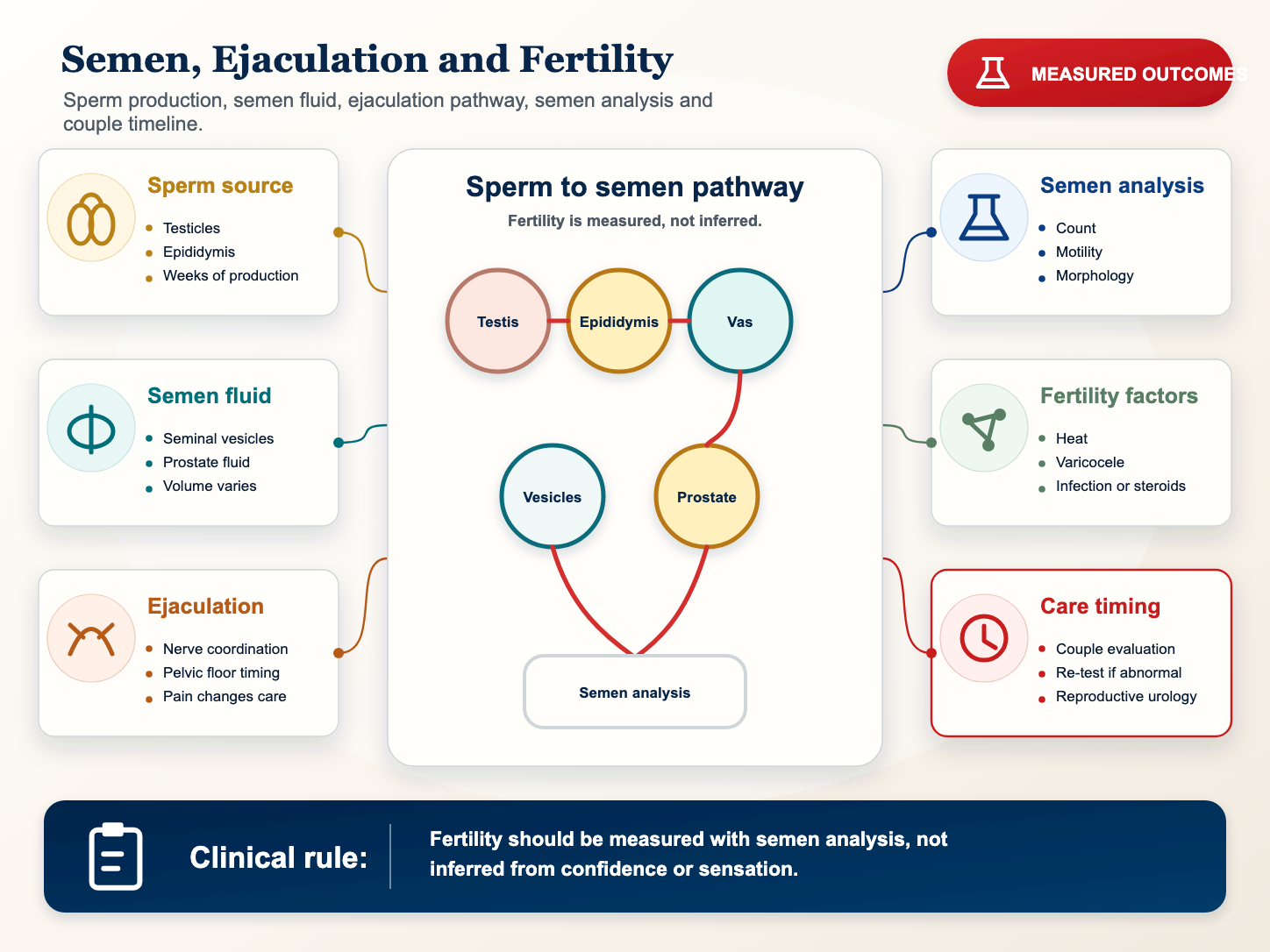
- ความกังวลเรื่องการเจริญพันธุ์ควรได้รับการประเมินด้วยการวิเคราะห์น้ำอสุจิและการทบทวนทางการแพทย์ที่มีคุณสมบัติเหมาะสม
การเรียกร้องเรื่องการเจริญพันธุ์จำเป็นต้องมีหลักฐาน
การเจริญพันธุ์ของผู้ชายขึ้นอยู่กับการผลิตสเปิร์ม ฮอร์โมน การสัมผัสความร้อน เส้นเลือดขอด การติดเชื้อ พันธุกรรม ยา วิถีชีวิต และสุขภาพโดยทั่วไป เซสชั่นตัวถังรถแบบเดิมไม่สามารถสันนิษฐานได้ว่าจะเปลี่ยนตัวแปรเหล่านั้น
วิธีที่รับผิดชอบในการหารือเกี่ยวกับภาวะเจริญพันธุ์คือการส่งเสริมให้มีการประเมินที่สามารถวัดผลได้ การวิเคราะห์น้ำอสุจิและการทบทวนทางการแพทย์ที่มีคุณสมบัติเหมาะสมจะให้ข้อมูลที่เป็นประโยชน์มากกว่าการอาศัยคำมั่นสัญญาของผู้ประกอบวิชาชีพ
- ถามว่าคำกล่าวอ้างนั้นมีหลักฐานทางวัฒนธรรม เรื่องราวเล็กๆ น้อยๆ หรือหลักฐานทางการแพทย์หรือไม่
- ใช้การวิเคราะห์น้ำอสุจิเมื่อภาวะเจริญพันธุ์เป็นปัญหาที่แท้จริง
- หลีกเลี่ยงการชะลอการทบทวนทางการแพทย์เนื่องจากการตลาดด้านตัวถังรถ
เหตุใดการเรียกร้องภาวะเจริญพันธุ์จึงต้องมีมาตรฐานที่สูงกว่า
ภาวะเจริญพันธุ์ของผู้ชายไม่ใช่ความรู้สึกที่คลุมเครือถึงความมีชีวิตชีวา โดยเกี่ยวข้องกับความเข้มข้นของอสุจิ การเคลื่อนไหว สัณฐานวิทยา ปริมาตรน้ำอสุจิ ฮอร์โมน การทำงานของลูกอัณฑะ ปัจจัยทางพันธุกรรม หลอดเลือดขอด การติดเชื้อ การสัมผัสกับความร้อน การใช้ยา ไลฟ์สไตล์ จังหวะเวลา และสุขภาพของการเจริญพันธุ์ของคู่รักทั้งสอง เนื่องจากหัวข้อนี้สามารถวัดผลได้และมีความสำคัญทางอารมณ์ การกล่าวอ้างเกี่ยวกับการปรับปรุงภาวะเจริญพันธุ์จึงต้องมีมาตรฐานที่สูงกว่าภาษาเกี่ยวกับความเป็นอยู่ที่ดีทั่วไป
จับกษัย อาจอธิบายได้ว่าเป็นการปฏิบัติแบบดั้งเดิมที่เกี่ยวข้องกับการไหลเวียนของอุ้งเชิงกรานหรือความมีชีวิตชีวาของผู้ชาย แต่คำอธิบายเหล่านั้นไม่ได้พิสูจน์ว่าภาวะเจริญพันธุ์ดีขึ้น บุคคลสามารถรู้สึกผ่อนคลายหลังออกกำลังกายโดยไม่มีการเปลี่ยนแปลงการผลิตสเปิร์ม การพัฒนาตัวอสุจิต้องใช้เวลา ผลลัพธ์ของน้ำอสุจิแตกต่างกันไป และปัญหาภาวะเจริญพันธุ์มักมีสาเหตุหลายประการ ไม่ควรนำเสนอการนวดครั้งเดียวหรือระยะสั้นเพื่อทดแทนการประเมิน
หน้านี้จึงควรอนุรักษ์นิยม อาจกล่าวได้ว่าการผ่อนคลายและการลดความเครียดอาจมีความหมายสำหรับความเป็นอยู่ที่ดีโดยทั่วไป นอกจากนี้ ควรกล่าวด้วยว่าความกังวลเรื่องภาวะเจริญพันธุ์สมควรได้รับการวิเคราะห์น้ำอสุจิและการตรวจร่างกายโดยแพทย์ โดยเฉพาะอย่างยิ่งหลังจากพยายามตั้งครรภ์มาหลายเดือน การทดสอบที่ผิดปกติก่อนหน้านี้ ประวัติอัณฑะ ความสงสัยเกี่ยวกับหลอดเลือดอสุจิ การติดเชื้อ การผ่าตัด หรืออาการของฮอร์โมน
- ภาวะเจริญพันธุ์ได้รับการประเมินด้วยการทดสอบที่วัดผลได้ ไม่ใช่แค่ความรู้สึกเท่านั้น
- อย่าสับสนระหว่างความใคร่ คุณภาพการแข็งตัวของอวัยวะเพศ และสุขภาพของตัวอสุจิ
- การออกกำลังกายแบบเดิมๆ ไม่ควรชะลอการวิเคราะห์น้ำอสุจิ เมื่อภาวะเจริญพันธุ์เป็นปัญหาที่แท้จริง
ตัวถังรถอะไรสามารถเรียกร้องได้อย่างสมเหตุสมผล
คำกล่าวอ้างที่สามารถปกป้องได้มากที่สุดสำหรับการออกกำลังกายอย่างอ่อนโยนได้แก่ ความผ่อนคลาย การรับรู้ความเครียดที่ลดลง การรับรู้ร่างกายที่ดีขึ้น ความสัมพันธ์ที่สงบมากขึ้นกับกายวิภาคที่ละเอียดอ่อน และอาจมีความตึงเครียดในการปกป้องน้อยลงสำหรับบางคน นี่เป็นการกล่าวอ้างเรื่องความเป็นอยู่ที่ดี ไม่ใช่การรักษาภาวะเจริญพันธุ์ สิ่งเหล่านี้อาจมีความสำคัญเป็นการส่วนตัว แต่ไม่ได้พิสูจน์ว่าจำนวนอสุจิ การเคลื่อนไหว หรือสัณฐานวิทยาดีขึ้น
ผู้ฝึกปฏิบัติบางครั้งใช้วลีต่างๆ เช่น การไหลเวียน การดีท็อกซ์ การปลดปล่อยสิ่งอุดตัน หรือพลังงานในการสืบพันธุ์ ในบรรยากาศแบบดั้งเดิม วลีเหล่านั้นอาจมีความหมายทางวัฒนธรรม ในบริบทของการเจริญพันธุ์ทางการแพทย์ จะต้องแปลอย่างระมัดระวังหรือปล่อยให้เป็นภาษาเฉพาะประเพณี หากแพทย์กล่าวว่าภาวะเจริญพันธุ์ดีขึ้น คำถามต่อไปคือหลักฐานอะไร ผลลัพธ์อะไร ระยะเวลาใด และการทดสอบใดพิสูจน์ได้
ไซต์ที่รับผิดชอบควรหลีกเลี่ยงการรับรองที่ผิดพลาด ผู้ชายอาจมีการแข็งตัวตามปกติและยังมีค่าน้ำอสุจิผิดปกติ อีกคนอาจมีความใคร่จากความเครียดต่ำ ในขณะที่การวิเคราะห์น้ำอสุจิเป็นเรื่องปกติ การเจริญพันธุ์ ฮอร์โมน และสมรรถภาพทางเพศซ้อนทับกันทางอารมณ์แต่ไม่ได้วัดกัน
เมื่อใดควรใช้การประเมินทางการแพทย์
การประเมินทางการแพทย์มีความสำคัญเมื่อคู่รักพยายามตั้งครรภ์โดยไม่ประสบความสำเร็จ เมื่อการวิเคราะห์น้ำอสุจิผิดปกติ เมื่อมีประวัติของลูกอัณฑะ การผ่าตัด เคมีบำบัด การติดเชื้อ หลอดเลือดอัณฑะอัณฑะ การใช้สเตียรอยด์อะนาโบลิก การบำบัดด้วยฮอร์โมนเทสโทสเตอโรน การบาดเจ็บที่อุ้งเชิงกราน หรือการเปลี่ยนแปลงขนาดลูกอัณฑะ นอกจากนี้ยังเป็นสิ่งสำคัญเมื่อมีอาการต่างๆ เช่น ปวด บวม มีก้อน หรือปัญหาเกี่ยวกับฮอร์โมน
การวิเคราะห์น้ำอสุจิไม่ใช่การตัดสินความเป็นชาย เป็นการทดสอบภาคปฏิบัติที่ช่วยแยกการคาดเดาออกจากข้อมูล แนวทางโดยทั่วไปจะใช้การตรวจน้ำอสุจิ ประวัติทางการแพทย์ การตรวจ และการประเมินฮอร์โมนเป้าหมาย ขึ้นอยู่กับรูปแบบ เส้นทางดังกล่าวสามารถเปิดเผยปัญหาที่สามารถรักษาได้หรือชี้แจงว่าคำแนะนำในการช่วยการเจริญพันธุ์มีความเหมาะสมเมื่อใด
กายบำบัดสามารถอยู่เคียงข้างการรักษาพยาบาลได้ก็ต่อเมื่อยังคงซื่อสัตย์กับบทบาทของตนเท่านั้น อาจช่วยให้บุคคลรู้สึกสงบขึ้นในระหว่างการเดินทางเพื่อการเจริญพันธุ์ที่ตึงเครียด แต่ไม่ควรขายเป็นเหตุผลในการหลีกเลี่ยงการประเมินตามหลักฐานเชิงประจักษ์ ข้อความทางจริยธรรมมีทั้งความเห็นอกเห็นใจและชัดเจน: ใช้ประเพณีเพื่อความอยู่ดีมีสุข ใช้ยาเพื่อการวินิจฉัย
- แสวงหาการวิเคราะห์น้ำอสุจิแทนที่จะอาศัยคำสัญญาของผู้ประกอบวิชาชีพ
- พูดถึงการบำบัดด้วยฮอร์โมนเทสโทสเตอโรนหรือการใช้สเตียรอยด์อะนาโบลิกเพราะอาจส่งผลต่อการผลิตสเปิร์ม
- อย่านวดด้วยความเจ็บปวด บวม หรือพบลูกอัณฑะใหม่
ความร้อน ความดัน และข้อควรระวังเกี่ยวกับลูกอัณฑะ
ส่วนหนึ่งอัณฑะอยู่นอกร่างกายเนื่องจากการผลิตสเปิร์มนั้นไวต่ออุณหภูมิ นั่นไม่ได้หมายความว่าทุกห้องที่อบอุ่นหรือเซสชั่นที่อ่อนโยนนั้นเป็นอันตราย แต่หมายความว่าการตลาดเพื่อการเจริญพันธุ์ควรระมัดระวังเกี่ยวกับความร้อน ความกดดัน และการจัดการซ้ำๆ ความสบายไม่ได้พิสูจน์ถึงประโยชน์และความกดดันที่แรงกว่านั้นไม่ได้ช่วยรักษาได้ดีไปกว่า
โรคอัณฑะขอด การติดเชื้อ การบาดเจ็บก่อนหน้านี้ และอาการปวดอัณฑะเป็นตัวอย่างของปัญหาที่ไม่ควรพูดให้เข้าใจง่ายเป็นภาษาที่ "ไหลเวียนไม่ดี" เส้นเลือดขอดอาจมองเห็นหรือเห็นได้ชัดและอาจเกี่ยวข้องกับการเจริญพันธุ์ในบางกรณี แต่การตัดสินใจในการวินิจฉัยและการรักษาเป็นของแพทย์ สัญญาณการติดเชื้อต้องได้รับการดูแลจากแพทย์ ความเจ็บปวดเปลี่ยนการคำนวณความปลอดภัยโดยสิ้นเชิง
หากมีการใช้ตัวถังเลย วิธีที่ปลอดภัยกว่าคืออ่อนโยน ภายนอก เป็นไปตามความยินยอม และหยุดเมื่อรู้สึกไม่สบาย หน้าการเจริญพันธุ์ควรระบุให้ชัดเจนว่าไม่ควรใช้เทคนิคแบบแมนนวลในการบีบ บังคับ ระบายออก หรือ "กระตุ้น" ลูกอัณฑะ ความคิดเหล่านั้นไม่ปลอดภัยเมื่อนำมาใช้ตามตัวอักษร
อ้างอิงและอ่านเพิ่มเติม
ข้อมูลอ้างอิงเหล่านี้รวมอยู่ด้วยเนื่องจากการเจริญพันธุ์เป็นผลทางการแพทย์ พวกเขาสนับสนุนจุดยืนที่ว่าการวิเคราะห์น้ำอสุจิ การตรวจ และการดูแลตามแนวทางเป็นแนวทางที่ถูกต้องสำหรับความกังวลเรื่องภาวะเจริญพันธุ์ ในขณะที่การออกกำลังกายแบบดั้งเดิมควรถูกมองว่าเป็นความเป็นอยู่ที่ดีเท่านั้น เว้นแต่หลักฐานจะสนับสนุนคำกล่าวอ้างที่หนักแน่นกว่านี้
- องค์การอนามัยโลก - ยุทธศาสตร์การแพทย์แผนโบราณ พ.ศ. 2557-2566
- แนวทาง AUA/ASRM - การวินิจฉัยและการรักษาภาวะมีบุตรยากในผู้ชาย
- แนวทาง NICE NG257 - ปัญหาการเจริญพันธุ์: การประเมินและการรักษา
- NHS ของ Guy และ St Thomas - ภาพรวมการผ่าตัดบิดลูกอัณฑะ
รายการตรวจสอบผู้อ่านก่อนดำเนินการ
ก่อนที่จะดำเนินการกับหน้าใด ๆ เกี่ยวกับจับกษัยและการเรียกร้องภาวะเจริญพันธุ์ ผู้อ่านควรชะลอการตัดสินใจลง คำถามที่ปลอดภัยที่สุดไม่ใช่ "สิ่งนี้ฟังดูน่าสนใจหรือไม่" แต่ "ฉันเข้าใจหรือไม่ว่ามีอะไรเสนอ อะไรบ้างที่ไม่รวม และปัญหาใดที่ฉันพยายามแก้ไขจริงๆ" นี่เป็นสิ่งสำคัญอย่างยิ่งสำหรับบางคนโดยหวังว่าการออกกำลังกายอาจช่วยให้ตั้งครรภ์ได้ แต่ต้องอาศัยขั้นตอนต่อไปโดยอิงจากหลักฐานเชิงประจักษ์ การตัดสินใจที่ชัดเจนเริ่มต้นด้วยการแยกความอยากรู้อยากเห็น ความรู้สึกไม่สบาย อาการ ความสนใจทางวัฒนธรรม และความห่วงใยทางการแพทย์ออกจากกัน
คำถามที่สองคือข้อกังวลนี้เกี่ยวข้องกับกายบำบัดหรือไม่ หากปัญหารวมถึงการวิเคราะห์น้ำอสุจิที่ผิดปกติ เดือนของการปฏิสนธิไม่สำเร็จ ความสงสัยเกี่ยวกับเส้นเลือดขอด อาการของฮอร์โมน หรือประวัติลูกอัณฑะ หน้านี้ควรแนะนำผู้อ่านเกี่ยวกับการดูแลสุขภาพที่มีคุณสมบัติเหมาะสมมากกว่าการนัดหมายด้านสุขภาพ นั่นไม่ใช่จุดยืนที่ต่อต้านประเพณี เป็นขอบเขตที่ป้องกันไม่ให้มีการใช้การออกกำลังกายแบบดั้งเดิมหรือแบบใกล้ชิดเพื่อทดแทนการวินิจฉัย การดูแลอย่างเร่งด่วน หรือการรักษาตามหลักฐานเชิงประจักษ์
คำถามที่สามคือผู้ประกอบวิชาชีพสามารถอธิบายขีดจำกัดและผลประโยชน์ได้หรือไม่ ผู้ประกอบวิชาชีพที่จริงจังสามารถบอกได้ว่าพวกเขาจะปฏิเสธเซสชันเมื่อใด จะอ้างอิงเมื่อใด พื้นที่ของร่างกายใดอยู่นอกขอบเขต วิธีรักษาความยินยอม และวิธีจัดการสุขอนามัย ผู้ปฏิบัติงานที่สามารถอธิบายได้เฉพาะการเปลี่ยนแปลง การปลดปล่อย หรือความมีชีวิตชีวา กำลังละทิ้งข้อมูลด้านความปลอดภัยที่สำคัญที่สุดไว้ในการสนทนา
- ขอบเขตเซสชั่นสามารถอธิบายเป็นภาษากายวิภาคธรรมดาได้หรือไม่?
- ธงสีแดงและข้อห้ามสามารถมองเห็นได้ก่อนทำการจองหรือไม่?
- การกล่าวอ้างเกี่ยวกับการผ่อนคลายและการรับรู้ทางร่างกาย หรือเกี่ยวกับการรักษาอาการทางการแพทย์หรือไม่
- ผู้อ่านรู้หรือไม่ว่าต้องทำอย่างไรหากเกิดความเจ็บปวด ความทุกข์ทรมาน หรือความสับสนในขอบเขต?
JABKASAI วางกรอบหัวข้อนี้อย่างไร
JABKASAI ใช้กฎเกณฑ์บรรณาธิการสำหรับหัวข้อที่ละเอียดอ่อน: ยิ่งมีการกล่าวอ้างทางการแพทย์มากเท่าไร ก็ยิ่งต้องการหลักฐานมากขึ้นเท่านั้น ความหมายทางวัฒนธรรม ประเพณี ภาษาพิธีกรรม การพักผ่อน และประสบการณ์ส่วนตัวสามารถพูดคุยด้วยความเคารพได้ การกล่าวอ้างเกี่ยวกับการเจริญพันธุ์ ฮอร์โมนเพศชาย การติดเชื้อ การบิดตัว มะเร็ง ภาวะหย่อนสมรรถภาพทางเพศ อาการปวดกระดูกเชิงกรานเรื้อรัง โรคต่อมลูกหมาก หรือการเปลี่ยนแปลงของฮอร์โมน จำเป็นต้องมีมาตรฐานที่แตกต่างกัน พวกเขาต้องการการประเมินที่มีคุณสมบัติเหมาะสม ผลลัพธ์ที่สามารถวัดได้ และความเต็มใจที่จะพูดว่า "เราไม่รู้" เมื่อหลักฐานมีจำกัด
กรอบนี้ยังได้รับการออกแบบมาเพื่อป้องกันความอับอายอีกด้วย ผู้ชายหลายคนล่าช้าในการถามคำถามเพราะกายวิภาคศาสตร์ให้ความรู้สึกเป็นส่วนตัวหรือน่าอาย หน้าการศึกษาที่ดีควรทำให้ตั้งชื่อหัวเรื่องได้ง่ายขึ้นโดยไม่เปลี่ยนความเปราะบางให้กลายเป็นเนื้อหาที่สะเทือนอารมณ์ นั่นหมายถึงคำพูดธรรมดา น้ำเสียงที่ไม่เร้าอารมณ์ การวางกรอบสำหรับผู้ใหญ่เท่านั้น รูปภาพที่ระมัดระวัง ข้อควรระวังทางการแพทย์ และไม่มีความกดดันในการจองเซสชั่นเพื่อเป็นคำตอบสำหรับทุกข้อกังวล
มาตรฐานสุดท้ายคือความมีประโยชน์ในทางปฏิบัติ หลังจากอ่านแล้ว บุคคลควรจะสามารถถามคำถามได้ดีขึ้น จดจำสัญญาณเตือน เปรียบเทียบภาษาของผู้ปฏิบัติงานได้อย่างปลอดภัยยิ่งขึ้น และทำความเข้าใจว่าแพทย์ ผู้เชี่ยวชาญด้านระบบทางเดินปัสสาวะ ผู้เชี่ยวชาญด้านภาวะเจริญพันธุ์ นักกายภาพบำบัดอุ้งเชิงกราน หรือผู้เชี่ยวชาญด้านสุขภาพจิตอาจเป็นก้าวต่อไปที่ดีกว่าเมื่อใด หากหน้าดังกล่าวแสดงข้อมูลดังกล่าว ผู้อ่านจะได้ประโยชน์แม้ว่าพวกเขาจะไม่เคยจองตัวถังก็ตาม
- ประเพณีถูกนำเสนอเป็นประเพณี ไม่ใช่เป็นการพิสูจน์โดยอัตโนมัติ
- ภาษาความเป็นอยู่ที่ดีได้รับอนุญาต แต่ภาษาในการรักษาถูกท้าทาย
- มีการพูดคุยเรื่องกายวิภาคศาสตร์ที่ละเอียดอ่อนอย่างมืออาชีพ และไม่มีการตลาดที่กระตุ้นอารมณ์ทางเพศ
- ผู้อ่านสามารถเลือกการรักษาพยาบาล ความคิดเห็นที่สอง หรือไม่เข้าร่วมก็ได้

บริบทเชิงปฏิบัติ
สังเกตจังหวะ ความรุนแรง สิ่งกระตุ้น และสิ่งที่เปลี่ยนแปลงสถานการณ์ ความเจ็บปวด การเปลี่ยนแปลงของปัสสาวะ การใช้ยา ความเครียด การบาดเจ็บ การออกกำลังกายล่าสุด และสุขภาพโดยทั่วไป ล้วนส่งผลต่อการทำความเข้าใจอาการหรือข้อกังวลได้
คำถามที่ควรถามต่อ
- สัญญาณใดที่จะทำให้สิ่งนี้เป็นเรื่องเร่งด่วนมากกว่ากิจวัตรประจำวัน?
- ข้อมูลใดบ้างที่ควรบันทึกไว้ก่อนที่จะพูดคุยกับแพทย์หรือผู้ประกอบวิชาชีพที่มีคุณสมบัติ?
- ข้อกล่าวอ้างใดได้รับการสนับสนุนจากหลักฐาน และข้อใดควรถือเป็นภาษาทางวัฒนธรรมหรือความเป็นอยู่ที่ดีเท่านั้น
วิธีใช้ข้อมูลนี้
ใช้คู่มือนี้เพื่ออธิบายภาษา เตรียมคำถามที่ดีขึ้น และทำความเข้าใจขอบเขต ไม่ใช่การวินิจฉัยและไม่ใช่แผนการรักษา เมื่ออาการเกิดขึ้นใหม่ รุนแรง ต่อเนื่อง หรือน่ากังวล ขั้นตอนต่อไปคือแพทย์ผู้เชี่ยวชาญ
จุดยืนด้านบรรณาธิการ
JABKASAI แยกประเพณีความเป็นอยู่ที่ดีทางวัฒนธรรมออกจากหลักฐานทางการแพทย์ ในกรณีที่หลักฐานมีจำกัด หน้าดังกล่าวจะระบุอย่างชัดเจนและหลีกเลี่ยงคำสัญญาว่าจะรักษา