
ทางการแพทย์ schema
How to read this guide safely
This visual map connects จับกษัย vs กษัย vs ต่อมลูกหมาก การนวด to anatomy, symptom triage, professional care and the limits of bodywork claims.
- 01
Observe the pattern
Clarify whether the goal is comfort, cultural practice, ทางเพศ สุขภาวะ or a ทางการแพทย์ claim.
- 02
Check สัญญาณอันตราย
Sudden severe เกี่ยวกับอัณฑะ อาการปวด, swelling, nausea, trauma or a new lump is not a massage topic.
- 03
Choose the care path
Urgent care, urology, ultrasound or ภาวะเจริญพันธุ์ assessment may be needed depending on the pattern.
- 04
Keep clear boundaries
ความยินยอม, hygiene, pressure limits, contraindications and referral rules must be explicit.
หน้านี้ครอบคลุมอะไร
คู่มือคำศัพท์เปรียบเทียบชื่อภาษาไทย กายบำบัดอัณฑะ การออกกำลังกายในอุ้งเชิงกราน และการนวดต่อมลูกหมาก
ประเด็นสำคัญ
- ชื่อแตกต่างกันไปทางออนไลน์: จับกษัย, Jap Kasai และ Karsai อาจใช้ต่างกันไปตามโรงเรียนและผู้ปฏิบัติงาน
- การออกกำลังกายบริเวณอัณฑะหรืออุ้งเชิงกรานไม่เหมือนกับการนวดต่อมลูกหมาก
- คำกล่าวอ้างทางการแพทย์ควรแยกออกจากภาษาทางวัฒนธรรมและการตลาดของผู้ประกอบวิชาชีพ
เหตุใดคำศัพท์จึงมีความสำคัญ
ชื่อที่คล้ายกันอาจซ่อนแนวทางปฏิบัติที่แตกต่างกันมาก จับกษัย, Jap Kasai, Karsai และการนวดต่อมลูกหมากอาจถูกนำมาใช้อย่างหลวมๆ ในการตลาด แต่ลักษณะทางกายวิภาค ขอบเขต ความตั้งใจ และโปรไฟล์ความเสี่ยงไม่เหมือนกัน
คำศัพท์ที่ชัดเจนช่วยให้ผู้อ่านถามคำถามได้ดีขึ้นก่อนจองการฝึกอบรม อ่านคำกล่าวอ้าง หรือเปรียบเทียบผู้ปฏิบัติงาน นอกจากนี้ยังป้องกันไม่ให้สับสนระหว่างคำศัพท์การออกกำลังกายทางวัฒนธรรมกับเทคนิคทางการแพทย์หรือภายใน
- ถามให้ชัดเจนว่าส่วนไหนของร่างกายที่เกี่ยวข้องและส่วนไหนที่ไม่เกี่ยวข้อง
- ชี้แจงว่าเซสชันเป็นการประชุมภายนอก ภายใน การศึกษา หรือการบำบัด
- อย่ายอมรับการตั้งชื่อที่คลุมเครือเพื่อทดแทนการรับทราบและยินยอม
เหตุใดชื่อที่คล้ายกันจึงทำให้เกิดความสับสน
จับกษัย, Jap Kasai, Karsai และการนวดต่อมลูกหมากมักวางใกล้กันทางออนไลน์ แต่ไม่ควรถือว่าเป็นคำที่ใช้แทนกันได้ รูปแบบการสะกดอาจมาจากการทับศัพท์ การสร้างแบรนด์ของโรงเรียน การตลาดของผู้ประกอบวิชาชีพ หรือการพยายามอธิบายแนวคิดภาษาไทยด้วยตัวอักษรโรมัน ผู้อ่านสามารถสรุปได้อย่างง่ายดายว่าคำศัพท์ทั้งหมดชี้ไปที่เทคนิคเดียวกัน แต่ในทางปฏิบัติอาจหมายถึงพื้นที่ของร่างกายที่แตกต่างกัน ความตั้งใจที่แตกต่างกัน และขอบเขตที่แตกต่างกัน
ความแตกต่างที่สำคัญที่สุดไม่ใช่การสะกดคำ มันเป็นขอบเขต คำอธิบายบางส่วนเน้นที่บริเวณอุ้งเชิงกรานและอัณฑะของผู้ชายภายนอก คนอื่นๆ ใช้ Karsai เป็นประเพณีเกี่ยวกับกระดูกเชิงกรานหรืออวัยวะเพศที่กว้างขึ้น ในทางตรงกันข้าม การนวดต่อมลูกหมากมักเป็นที่เข้าใจกันว่าเป็นงานที่เกี่ยวข้องกับต่อมลูกหมาก และอาจบ่งบอกถึงการสัมผัสภายในในบางบริบท ความแตกต่างดังกล่าวจะเปลี่ยนความยินยอม ความเสี่ยง สุขอนามัย ข้อกำหนดการฝึกอบรม และข้อควรระวังทางการแพทย์
ผู้ประกอบวิชาชีพที่รับผิดชอบไม่ควรซ่อนอยู่หลังชื่อ หากลูกค้าถามว่าจับกษัย หมายถึงอะไรในสภาพแวดล้อมเฉพาะนั้น คำตอบควรเป็นรูปธรรม: พื้นที่ใดที่สามารถสัมผัสได้ ซึ่งไม่เคยสัมผัสเลย ไม่ว่าจะเป็นงานภายนอกเท่านั้น ใช้ผ้าอะไร มีอาการอะไรบ้างที่ห้ามใช้ และมีการอ้างสิทธิ์ทางการแพทย์หรือไม่
- ชื่อไม่ได้รับความยินยอม ต้องอธิบายเทคนิคจริง
- การทำงานของลูกอัณฑะหรืออุ้งเชิงกรานภายนอกไม่ใช่ประเภทเดียวกับการนวดต่อมลูกหมาก
- ภาษาทางการตลาดไม่ควรมาแทนที่กายวิภาคศาสตร์ ขอบเขต และความปลอดภัย
จับกษัยและจับกษัย
ความแตกต่างระหว่าง จับกษัย และ Jap Kasai มักเป็นปัญหาเรื่องการตั้งชื่อและการสะกดคำ มากกว่าความแตกต่างทางคลินิกที่เชื่อถือได้ แหล่งข้อมูลออนไลน์อาจใช้อย่างใดอย่างหนึ่งขึ้นอยู่กับการทับศัพท์ เชื้อสายของครู หรือพฤติกรรมการค้นหา เนื่องจากไม่มีมาตรฐานทางการแพทย์ที่ยอมรับกันอย่างกว้างขวางสำหรับคำนี้ ผู้อ่านควรหลีกเลี่ยงการสันนิษฐานว่าการสะกดคำหนึ่งรับประกันการปฏิบัติที่ปลอดภัยกว่าหรือเป็นจริงมากกว่า
คำถามที่ปลอดภัยกว่านั้นใช้ได้จริง: มีการเสนออะไรให้บ้าง? ผู้ประกอบวิชาชีพอาจใช้คำว่า การนวดหน้าท้องส่วนล่าง การนวดบริเวณขาหนีบ การนวดอัณฑะ การผ่อนคลายอุ้งเชิงกราน การใช้ภาษาอย่างกระฉับกระเฉง หรือการนวดแบบผสม ผู้ประกอบวิชาชีพรายอื่นอาจใช้การสะกดคำเดียวกันต่างกัน นี่คือเหตุผลที่หน้านี้ควรสอนผู้อ่านถึงวิธีการถามขอบเขต ขอบเขต และข้อห้าม แทนที่จะท่องจำกฎการสะกดคำเดียว
เพื่อหลีกเลี่ยงความสับสน การกล่าวถึงการสะกดทั้งสองแบบมีประโยชน์ แต่หน้าเว็บไม่ควรสร้างความแม่นยำที่ไม่จริง ถ้อยคำที่ปลอดภัยที่สุดคือการอธิบายอย่างเรียบง่าย: การสะกดอาจแตกต่างกัน และมาตรฐานทางจริยธรรมคือความโปร่งใส คำอธิบายที่จริงจังควรระบุขอบเขตของคำเรียก แทนที่จะเปลี่ยนความแตกต่างของการสะกดให้เป็นข้ออ้างเชิงลึกลับ
Karsai และการออกกำลังกายในอุ้งเชิงกราน
Karsai มักใช้ในแวดวงสุขภาพเพื่ออธิบายงานที่ได้รับอิทธิพลจากไทยบริเวณช่องท้องส่วนล่าง เชิงกราน และบริเวณอวัยวะเพศ คำอธิบายบางอย่างเชื่อมโยงกับการไหลเวียน เส้นพลังงาน หรือความมีชีวิตชีวาของการสืบพันธุ์ หัวข้อเหล่านั้นอาจเป็นของบริบทการสอนแบบดั้งเดิม แต่ไม่ใช่คำกล่าวอ้างทางการแพทย์โดยอัตโนมัติ บริเวณร่างกายมีความละเอียดอ่อน และการกล่าวอ้างเกี่ยวกับบริเวณดังกล่าวจะต้องได้รับการจัดการอย่างระมัดระวัง
เมื่อผู้ประกอบวิชาชีพพูดว่า Karsai ผู้อ่านควรถามว่าเซสชันนี้เป็นการศึกษา เน้นการผ่อนคลาย การออกกำลังกายภายนอก การออกกำลังกายที่อวัยวะเพศ หรืออย่างอื่น ควรให้คำตอบก่อนเซสชัน ไม่ใช่ค้นพบในระหว่างเซสชัน ขอบเขตควรรวมถึงการคลุม การสื่อสาร ระดับแรงกดดัน พื้นที่ที่ยกเว้น สัญญาณหยุด และวิธีการจัดการกับความรู้สึกไม่สบาย
ภาษา Karsai สามารถใช้ในวงกว้างเกินไปในการตลาด หน้าเว็บไม่ควรบอกเป็นนัยว่า Karsai รักษาเส้นเลือดขอด ภาวะมีบุตรยาก ต่อมลูกหมากอักเสบ ภาวะหย่อนสมรรถภาพทางเพศ หรืออาการปวดกระดูกเชิงกรานเรื้อรัง เว้นแต่จะชี้ไปที่หลักฐานที่เชื่อถือได้และกรอบการทำงานทางคลินิกที่ผ่านการรับรอง หากไม่มีหลักฐานดังกล่าว หมวดหมู่ที่ซื่อสัตย์คือการปฏิบัติแบบดั้งเดิมหรือความเป็นอยู่ที่ดีโดยมีข้อจำกัดด้านความปลอดภัย
- ขอคำจำกัดความเชิงปฏิบัติที่ผู้ประกอบวิชาชีพหรือโรงเรียนนั้นใช้
- อย่าคิดว่าคำดั้งเดิมรับประกันการฝึกอบรมที่ปลอดภัย
- สังเกตคำกล่าวอ้างที่เกินจริงเกี่ยวกับอวัยวะ ฮอร์โมน หรือภาวะเจริญพันธุ์
การนวดต่อมลูกหมากเป็นหมวดหมู่ความยินยอมแยกต่างหาก
การนวดต่อมลูกหมากสมควรได้รับการอภิปรายแยกกัน เนื่องจากอาจเกี่ยวข้องกับไส้ตรง บริเวณต่อมลูกหมาก ความเสี่ยงในการติดเชื้อ ข้อกังวลด้านสุขอนามัย และข้อห้ามทางการแพทย์ แม้ว่าจะนำเสนอในบริบทด้านสุขภาพ แต่ก็ไม่เหมือนกับการผ่อนคลายเชิงกรานทั่วไปหรือการทำงานของลูกอัณฑะภายนอก ลูกค้าที่ยินยอมจับกษัย ไม่ได้ยินยอมให้ทำงานต่อมลูกหมากโดยอัตโนมัติ
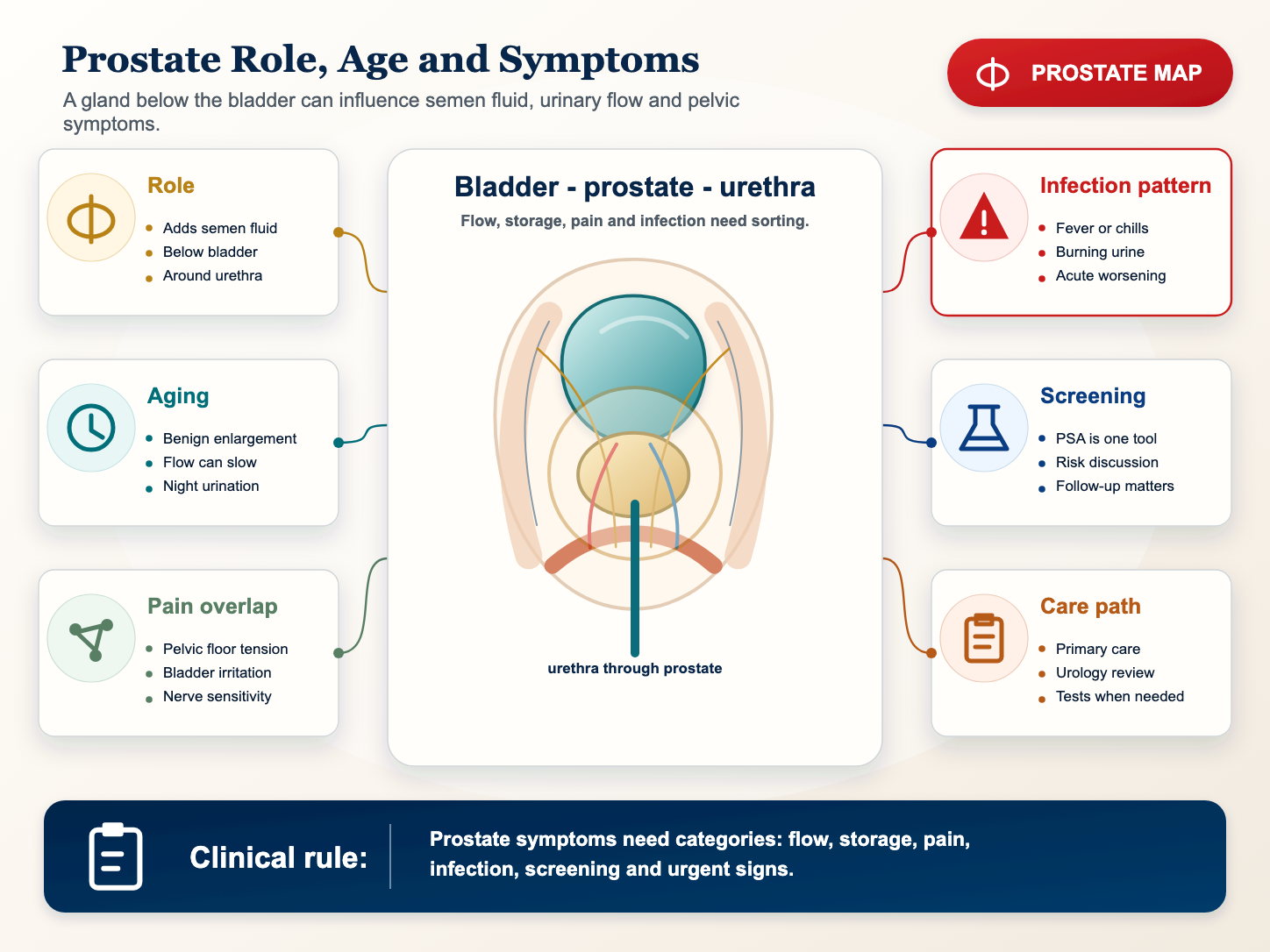
อาการทางการแพทย์บริเวณต่อมลูกหมากอาจมีความซับซ้อน ความเจ็บปวด อาการทางเดินปัสสาวะ อาการปวดจากการหลั่ง มีไข้ หรือความรู้สึกไม่สบายในอุ้งเชิงกราน อาจเกี่ยวข้องกับการติดเชื้อ การอักเสบ ความตึงเครียดของอุ้งเชิงกราน สภาพของกระเพาะปัสสาวะ หรือสาเหตุอื่นๆ ไม่ควรใช้การกระตุ้นด้วยตนเองแทนการประเมินเมื่ออาการยังคงอยู่ รุนแรง หรือมีสัญญาณสีแดงร่วมด้วย
นี่คือเหตุผลที่หน้าการเปรียบเทียบควรชัดเจน: ชื่อเรียกที่คล้ายกันซึ่งพบทางออนไลน์ไม่ได้ทำให้เทคนิคที่แตกต่างกันกลายเป็นแนวทางเดียวที่ปลอดภัย แต่ละหมวดหมู่ต้องมีคำอธิบายและความยินยอมของตัวเอง หากผู้ปฏิบัติงานทำให้คำศัพท์คลุมเครือ กดดันลูกค้า หรือบอกเป็นนัยว่างานภายในถูกรวมโดยอัตโนมัติ นั่นคือปัญหาขอบเขตที่ร้ายแรง
อ้างอิงและอ่านเพิ่มเติม
ข้อมูลอ้างอิงเหล่านี้สนับสนุนแนวทางบรรณาธิการที่ใช้ในที่นี้: ควรหารือถึงแนวทางปฏิบัติแบบดั้งเดิมและแบบเสริมโดยคำนึงถึงความปลอดภัยและกฎระเบียบ ในขณะที่ภาวะเจริญพันธุ์และอาการถุงอัณฑะเร่งด่วนจำเป็นต้องมีแนวทางทางการแพทย์มากกว่าการอภิปรายคำศัพท์
- องค์การอนามัยโลก - ยุทธศาสตร์การแพทย์แผนโบราณ พ.ศ. 2557-2566
- แนวทาง AUA/ASRM - การวินิจฉัยและการรักษาภาวะมีบุตรยากในผู้ชาย
- แนวทาง NICE NG257 - ปัญหาการเจริญพันธุ์: การประเมินและการรักษา
- NHS ของ Guy และ St Thomas - ภาพรวมการผ่าตัดบิดลูกอัณฑะ
รายการตรวจสอบผู้อ่านก่อนดำเนินการ
ก่อนที่จะดำเนินการในหน้าใดๆ เกี่ยวกับ จับกษัย, Karsai และคำศัพท์เกี่ยวกับการนวดต่อมลูกหมาก ผู้อ่านควรชะลอการตัดสินใจลง คำถามที่ปลอดภัยที่สุดไม่ใช่ "สิ่งนี้ฟังดูน่าสนใจหรือไม่" แต่ "ฉันเข้าใจหรือไม่ว่ามีอะไรเสนอ อะไรบ้างที่ไม่รวม และปัญหาใดที่ฉันพยายามแก้ไขจริงๆ" นี่เป็นสิ่งสำคัญอย่างยิ่งสำหรับบุคคลที่เปรียบเทียบชื่อที่คล้ายกันและพยายามหลีกเลี่ยงความเข้าใจผิดในการยินยอม การตัดสินใจที่ชัดเจนเริ่มต้นด้วยการแยกความอยากรู้อยากเห็น ความรู้สึกไม่สบาย อาการ ความสนใจทางวัฒนธรรม และความห่วงใยทางการแพทย์ออกจากกัน
คำถามที่สองคือข้อกังวลนี้เกี่ยวข้องกับกายบำบัดหรือไม่ หากปัญหาประกอบด้วยความเจ็บปวด การเปลี่ยนแปลงของปัสสาวะ อาการต่อมลูกหมาก สัญญาณการติดเชื้อ ความกังวลเรื่องการเจริญพันธุ์ หรือเทคนิคภายในที่เสนอ หน้านี้ควรแนะนำผู้อ่านเกี่ยวกับการดูแลสุขภาพที่มีคุณสมบัติเหมาะสม แทนที่จะไปพบแพทย์เพื่อดูแลสุขภาพ นั่นไม่ใช่จุดยืนที่ต่อต้านประเพณี เป็นขอบเขตที่ป้องกันไม่ให้มีการใช้การออกกำลังกายแบบดั้งเดิมหรือแบบใกล้ชิดเพื่อทดแทนการวินิจฉัย การดูแลอย่างเร่งด่วน หรือการรักษาตามหลักฐานเชิงประจักษ์
คำถามที่สามคือผู้ประกอบวิชาชีพสามารถอธิบายขีดจำกัดและผลประโยชน์ได้หรือไม่ ผู้ประกอบวิชาชีพที่จริงจังสามารถบอกได้ว่าพวกเขาจะปฏิเสธเซสชันเมื่อใด จะอ้างอิงเมื่อใด พื้นที่ของร่างกายใดอยู่นอกขอบเขต วิธีรักษาความยินยอม และวิธีจัดการสุขอนามัย ผู้ปฏิบัติงานที่สามารถอธิบายได้เฉพาะการเปลี่ยนแปลง การปลดปล่อย หรือความมีชีวิตชีวา กำลังละทิ้งข้อมูลด้านความปลอดภัยที่สำคัญที่สุดไว้ในการสนทนา
- ขอบเขตเซสชั่นสามารถอธิบายเป็นภาษากายวิภาคธรรมดาได้หรือไม่?
- ธงสีแดงและข้อห้ามสามารถมองเห็นได้ก่อนทำการจองหรือไม่?
- การกล่าวอ้างเกี่ยวกับการผ่อนคลายและการรับรู้ทางร่างกาย หรือเกี่ยวกับการรักษาอาการทางการแพทย์หรือไม่
- ผู้อ่านรู้หรือไม่ว่าต้องทำอย่างไรหากเกิดความเจ็บปวด ความทุกข์ทรมาน หรือความสับสนในขอบเขต?
JABKASAI วางกรอบหัวข้อนี้อย่างไร
JABKASAI ใช้กฎเกณฑ์บรรณาธิการสำหรับหัวข้อที่ละเอียดอ่อน: ยิ่งมีการกล่าวอ้างทางการแพทย์มากเท่าไร ก็ยิ่งต้องการหลักฐานมากขึ้นเท่านั้น ความหมายทางวัฒนธรรม ประเพณี ภาษาพิธีกรรม การพักผ่อน และประสบการณ์ส่วนตัวสามารถพูดคุยด้วยความเคารพได้ การกล่าวอ้างเกี่ยวกับการเจริญพันธุ์ ฮอร์โมนเพศชาย การติดเชื้อ การบิดตัว มะเร็ง ภาวะหย่อนสมรรถภาพทางเพศ อาการปวดกระดูกเชิงกรานเรื้อรัง โรคต่อมลูกหมาก หรือการเปลี่ยนแปลงของฮอร์โมน จำเป็นต้องมีมาตรฐานที่แตกต่างกัน พวกเขาต้องการการประเมินที่มีคุณสมบัติเหมาะสม ผลลัพธ์ที่สามารถวัดได้ และความเต็มใจที่จะพูดว่า "เราไม่รู้" เมื่อหลักฐานมีจำกัด
กรอบนี้ยังได้รับการออกแบบมาเพื่อป้องกันความอับอายอีกด้วย ผู้ชายหลายคนล่าช้าในการถามคำถามเพราะกายวิภาคศาสตร์ให้ความรู้สึกเป็นส่วนตัวหรือน่าอาย หน้าการศึกษาที่ดีควรทำให้ตั้งชื่อหัวเรื่องได้ง่ายขึ้นโดยไม่เปลี่ยนความเปราะบางให้กลายเป็นเนื้อหาที่สะเทือนอารมณ์ นั่นหมายถึงคำพูดธรรมดา น้ำเสียงที่ไม่เร้าอารมณ์ การวางกรอบสำหรับผู้ใหญ่เท่านั้น รูปภาพที่ระมัดระวัง ข้อควรระวังทางการแพทย์ และไม่มีความกดดันในการจองเซสชั่นเพื่อเป็นคำตอบสำหรับทุกข้อกังวล
มาตรฐานสุดท้ายคือความมีประโยชน์ในทางปฏิบัติ หลังจากอ่านแล้ว บุคคลควรจะสามารถถามคำถามได้ดีขึ้น จดจำสัญญาณเตือน เปรียบเทียบภาษาของผู้ปฏิบัติงานได้อย่างปลอดภัยยิ่งขึ้น และทำความเข้าใจว่าแพทย์ ผู้เชี่ยวชาญด้านระบบทางเดินปัสสาวะ ผู้เชี่ยวชาญด้านภาวะเจริญพันธุ์ นักกายภาพบำบัดอุ้งเชิงกราน หรือผู้เชี่ยวชาญด้านสุขภาพจิตอาจเป็นก้าวต่อไปที่ดีกว่าเมื่อใด หากหน้าดังกล่าวแสดงข้อมูลดังกล่าว ผู้อ่านจะได้ประโยชน์แม้ว่าพวกเขาจะไม่เคยจองตัวถังก็ตาม
- ประเพณีถูกนำเสนอเป็นประเพณี ไม่ใช่เป็นการพิสูจน์โดยอัตโนมัติ
- ภาษาความเป็นอยู่ที่ดีได้รับอนุญาต แต่ภาษาในการรักษาถูกท้าทาย
- มีการพูดคุยเรื่องกายวิภาคศาสตร์ที่ละเอียดอ่อนอย่างมืออาชีพ และไม่มีการตลาดที่กระตุ้นอารมณ์ทางเพศ
- ผู้อ่านสามารถเลือกการรักษาพยาบาล ความคิดเห็นที่สอง หรือไม่เข้าร่วมก็ได้
บริบทเชิงปฏิบัติ
สังเกตจังหวะ ความรุนแรง สิ่งกระตุ้น และสิ่งที่เปลี่ยนแปลงสถานการณ์ ความเจ็บปวด การเปลี่ยนแปลงของปัสสาวะ การใช้ยา ความเครียด การบาดเจ็บ การออกกำลังกายล่าสุด และสุขภาพโดยทั่วไป ล้วนส่งผลต่อการทำความเข้าใจอาการหรือข้อกังวลได้
คำถามที่ควรถามต่อ
- สัญญาณใดที่จะทำให้สิ่งนี้เป็นเรื่องเร่งด่วนมากกว่ากิจวัตรประจำวัน?
- ข้อมูลใดบ้างที่ควรบันทึกไว้ก่อนที่จะพูดคุยกับแพทย์หรือผู้ประกอบวิชาชีพที่มีคุณสมบัติ?
- ข้อกล่าวอ้างใดได้รับการสนับสนุนจากหลักฐาน และข้อใดควรถือเป็นภาษาทางวัฒนธรรมหรือความเป็นอยู่ที่ดีเท่านั้น
วิธีใช้ข้อมูลนี้
ใช้คู่มือนี้เพื่ออธิบายภาษา เตรียมคำถามที่ดีขึ้น และทำความเข้าใจขอบเขต ไม่ใช่การวินิจฉัยและไม่ใช่แผนการรักษา เมื่ออาการเกิดขึ้นใหม่ รุนแรง ต่อเนื่อง หรือน่ากังวล ขั้นตอนต่อไปคือแพทย์ผู้เชี่ยวชาญ
จุดยืนด้านบรรณาธิการ
JABKASAI แยกประเพณีความเป็นอยู่ที่ดีทางวัฒนธรรมออกจากหลักฐานทางการแพทย์ ในกรณีที่หลักฐานมีจำกัด หน้าดังกล่าวจะระบุอย่างชัดเจนและหลีกเลี่ยงคำสัญญาว่าจะรักษา